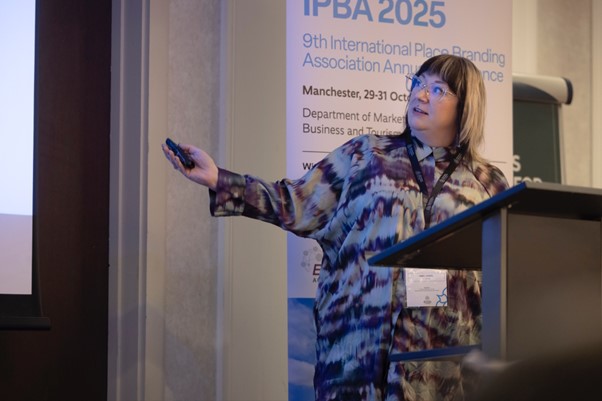
At CTConsults, we take real pride in the role that data and evidence play in our work. The cultural sector has long struggled with consistent data collection, which often leads to a familiar cycle of case-making and advocacy simply to justify investment. When you try to aggregate cultural data at a place level, the challenge becomes even greater.
Last week, Amy delivered not one but two guest lectures, sharing case studies where data and evidence have shaped place-based policy. Students on the MSc Place Management and Leadership course at Manchester Metropolitan University heard about the development of Trafford’s cultural strategy, while MSc Media and Communications students at the London School of Economics explored Humber’s place branding journey.
In Trafford, one piece of data dramatically changed the direction of the cultural strategy. When analysing employment in the cultural and creative industries, we discovered that 25% of Greater Manchester’s creative professionals are based in Trafford. Culture in Trafford was no longer simply about participation or audiences; it was also about the creative workforce that powers culture across the Combined Authority.
This insight repositioned Trafford within the GMCA and helped place culture at the centre of the borough’s economic and place narrative. Since then, new investment, resources and digital infrastructure have begun transforming Trafford’s cultural proposition. Creative talent that once commuted elsewhere is now increasingly staying local as well as contributing across the region.
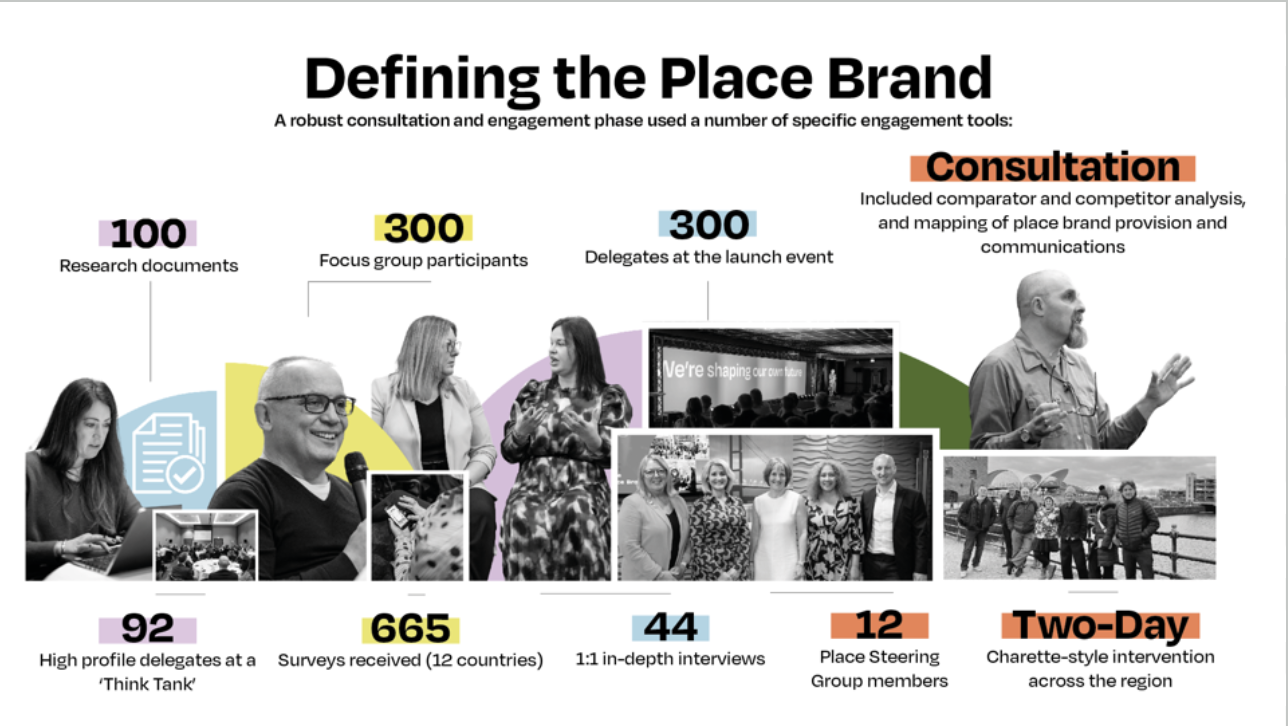
For Humber, our research needed the depth, breadth and rigour to match the scale and complexity of the region. We consulted on place perceptions both hyper-locally and internationally, engaging more than 1,000 people through multiple research methodologies to build a rich and nuanced evidence base. In a region defined by strong local identities, this depth of understanding was essential to ensure the place brand could be both credible and widely adopted.
Since then, Humber has attracted billions of pounds of investment, reflecting both the scale of the region and the ambition behind its place narrative.
Students asked thoughtful questions about accountability and the long-term stewardship of place brands and strategies – issues that place managers everywhere are still working to define and formalise. We always enjoy bringing a practitioner perspective into academic settings, and we wish the students the very best with their essays and dissertations.
 16 October 2025
Our refreshed CultureHosts offer is supporting destinations across the UK
Read full story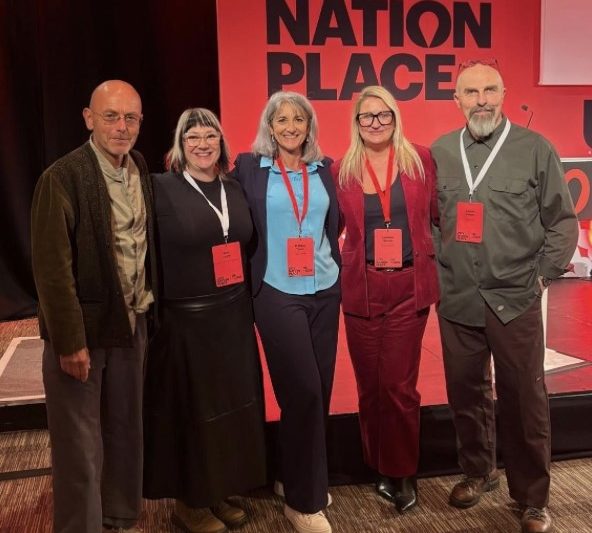 14 October 2025
Humber Shines at City Nation Place Awards
Read full storyWe’re serious about protecting your privacy and won’t share your details with anyone, ever.